Condition
High cholesterol care in Miami
High cholesterol has no symptoms, but it quietly builds up in the arteries. A simple blood test tells you where you stand, and a plan made with your doctor brings it down.
- English & Spanish
- Medicaid & Medicare
- Rides to your visit
Understanding high cholesterol
Cholesterol is a fat carried in your blood. Too much LDL (“bad”) cholesterol can form plaque in the arteries and raise the risk of heart attack and stroke.
A lipid panel measures LDL, HDL (“good”) cholesterol and triglycerides. Depending on your results and other risks, treatment may include food changes, activity and medication such as statins.
Signs to watch for
- No symptoms in most people
- A family history of high cholesterol or early heart disease
- Diabetes or high blood pressure
- Smoking
- Overweight or little physical activity
How we help
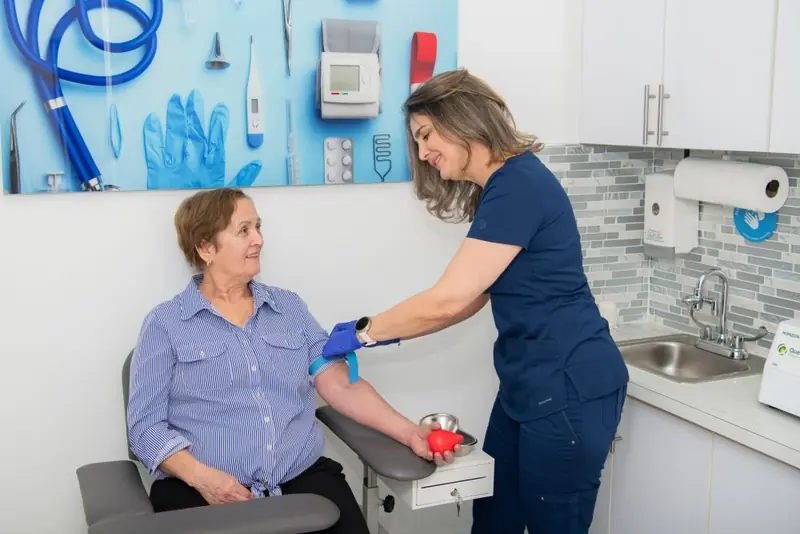
We draw your lipid panel in our on-site lab, your primary care doctor explains the numbers and your overall risk, and we follow up with repeat tests to see how treatment is working.

When to get urgent help: Call 911 for chest pain, pressure or discomfort, especially with shortness of breath, sweating or pain in the arm or jaw.
Questions patients ask
How often should I check my cholesterol?
Most adults every four to six years, and more often if you have diabetes, heart disease or are on treatment.
Do I need to fast for the test?
Not always. Your doctor will tell you whether to fast when ordering the test.
Is the test covered by insurance?
Cholesterol screening is covered by most plans, including Medicare. We confirm your coverage first.
Care near you
Medically reviewed by the Comforting Aid care team. General information only; it does not replace a consultation.
Book your appointment
Send the form and we will call you to confirm the day and time, check your insurance and, if you need it, arrange your ride.
- (305) 602-9667
- info@comfortingaid.com
- Monday to Friday, 8:00 am – 5:00 pm